
How Much Do Kitchen Cabinets Cost? Custom Cabinet Pricing Guide

- 2026/10/13
- By Colin Pun, OKBuild Project Manager
Table of Contents
ToggleKitchen cabinets are one of the most important investments in any kitchen project. Whether you are designing a private residence, a luxury villa, an apartment development, or a commercial project, cabinet selection affects not only the appearance of the space but also its functionality, durability, and long-term value.
One of the most common questions buyers ask before starting a kitchen project is:
How much do kitchen cabinets cost?
The answer depends on many factors, including cabinet materials, construction methods, finishes, hardware, storage solutions, kitchen layout, customization requirements, and installation conditions.
Unlike stock cabinets with fixed sizes and limited options, custom kitchen cabinets are designed around the specific needs of each project. This allows homeowners, architects, designers, and developers to create kitchens that maximize available space while matching the overall interior style.
For international projects, the total investment should also consider the complete solution, including design coordination, manufacturing quality, packaging, transportation, and project support.

Average Cost of Kitchen Cabinets: What Should You Consider?
There is no fixed price for kitchen cabinets because every project has different requirements.
A small apartment kitchen, a family home renovation, and a luxury villa kitchen may use completely different specifications. The final cabinet cost depends on the level of customization, materials selected, and project complexity.
The main factors that influence kitchen cabinet pricing include:
| Cost Factor | Impact on Cabinet Cost |
|---|---|
| Cabinet materials | Different materials affect durability, appearance, and manufacturing requirements |
| Cabinet structure | Construction methods influence strength, quality, and production cost |
| Door finishes | Premium finishes require additional processing and quality control |
| Hardware systems | Advanced drawer and storage solutions increase functionality and cost |
| Kitchen layout | Complex designs require more planning and customization |
| Project quantity | Residential and development projects have different pricing structures |
| Installation requirements | Site conditions and local labor affect total investment |
When comparing kitchen cabinet prices, it is important to evaluate the complete cabinet system rather than only the initial product price.
A lower-priced option may not always provide the best value if it requires compromises in durability, storage efficiency, or design flexibility.
For a complete overview of cabinet options and customization possibilities, see our custom kitchen cabinets guide.
Kitchen Cabinet Cost by Cabinet Type
Before discussing specific factors, it is useful to understand the main categories of kitchen cabinets.
Stock Kitchen Cabinets
Stock cabinets are produced using standard sizes and limited designs.
They are usually suitable for:
- Basic residential projects
- Budget-focused renovations
- Simple kitchen layouts
The advantage of stock cabinets is lower cost and faster availability. However, they may have limitations when the kitchen requires unusual dimensions, special storage solutions, or a fully integrated design.
Semi-Custom Kitchen Cabinets
Semi-custom cabinets provide more flexibility than stock cabinets.
They may allow:
- More size options
- Additional finishes
- Different storage configurations
- More design choices
They are often selected for homeowners who want better personalization without a fully customized manufacturing process.
Fully Custom Kitchen Cabinets
Fully custom cabinets are designed and manufactured according to each project’s requirements.
They are commonly used for:
- Luxury homes
- Villas
- High-end apartments
- Designer residential projects
Custom cabinets allow adjustments to:
- Room dimensions
- Ceiling height
- Appliance locations
- Storage requirements
- Interior design concepts
This flexibility is one of the main reasons custom kitchen cabinets cost more than standard options.
Main Factors That Affect Kitchen Cabinet Cost
1. Cabinet Materials
Materials are one of the most important factors affecting cabinet pricing.
Different materials influence:
- Structural performance
- Surface appearance
- Manufacturing process
- Maintenance requirements
- Final project cost
Common kitchen cabinet materials include plywood, MDF, solid wood, veneer, laminate, and other engineered materials.
For more detailed information about material selection, see our kitchen cabinet materials guide.
Plywood Kitchen Cabinets
Plywood is widely used in higher-quality cabinet projects because of its strength and stability.
It is commonly selected for:
- Custom residential kitchens
- Luxury homes
- Long-term investment properties
- High-quality furniture projects
Plywood cabinets can provide a strong cabinet structure while supporting different exterior finishes.
MDF Kitchen Cabinets
MDF is frequently used for cabinet doors and components requiring a smooth surface.
It is especially suitable for:
- Painted finishes
- Modern minimalist kitchens
- Contemporary cabinet designs
Because MDF provides a consistent surface, it is commonly used for projects requiring clean and refined finishes.
Solid Wood Kitchen Cabinets
Solid wood cabinets offer a natural appearance with unique grain characteristics.
They are often selected for:
- Traditional interiors
- Premium residential kitchens
- Luxury customized projects
The final cost depends on the wood species, construction method, finishing process, and design requirements.
2. Cabinet Construction Quality
The internal construction of cabinets has a major influence on both price and long-term performance.
Important construction factors include:
- Cabinet box structure
- Panel thickness
- Edge treatment
- Door connection methods
- Assembly accuracy
- Hardware installation
Two cabinets made with similar surface materials can have very different prices because the internal construction quality may vary.
For example, a cabinet system designed for long-term use with precise manufacturing and durable hardware usually requires greater production control.
Cabinet construction style also affects appearance and storage efficiency. Learn more about cabinet structures in our framed vs frameless kitchen cabinets guide.
3. Cabinet Doors and Finishes
The cabinet finish is one of the most visible parts of a kitchen design.
Popular options include:
- Painted finishes
- Wood veneer
- Laminate surfaces
- PET finishes
- Glass elements
- Textured finishes
Different finishes require different production processes.
For example:
- A simple laminate finish may provide a practical and cost-effective solution.
- A premium painted finish may require multiple processing steps and stricter quality control.
The cabinet finish should also coordinate with:
- Countertops
- Flooring
- Wall panels
- Interior furniture
A complete design approach helps create a more consistent interior style.
Explore more options in our kitchen cabinet finishes guide.
4. Hardware and Storage Solutions
Hardware is another important factor that affects kitchen cabinet cost.
Although hinges, drawer systems, and storage accessories may represent a smaller part of the overall cabinet structure, they have a significant impact on daily use, durability, and user experience.
Common cabinet hardware and storage solutions include:
- Soft-close hinges
- Drawer runners
- Pull-out baskets
- Corner cabinet solutions
- Pantry organizers
- Appliance cabinets
- Integrated storage accessories
A basic kitchen may only require standard hardware, while luxury kitchen projects often include advanced systems designed for better organization and convenience.
For example, a large kitchen with multiple drawers, tall cabinets, and customized storage areas will usually require more hardware components and more detailed planning compared with a simple cabinet layout.
Storage design should be considered together with cabinet planning. Explore practical solutions in our kitchen cabinet storage ideas.
5. Kitchen Layout and Customization Requirements
Kitchen layout directly affects cabinet quantity, manufacturing complexity, and overall project cost.
A simple straight-line kitchen usually requires fewer cabinets and less complicated production.
However, larger kitchens may include:
- Kitchen islands
- L-shaped layouts
- U-shaped kitchens
- Tall storage walls
- Built-in appliance cabinets
- Custom corner solutions
These designs require more detailed planning because cabinet dimensions, electrical points, plumbing, and appliance positions must work together.
For example, a kitchen island may increase cost because it requires additional cabinet structures, countertop coordination, storage planning, and installation work.
A well-designed layout can also improve value by maximizing storage capacity without unnecessarily increasing cabinet quantity.
For different kitchen layout considerations, see our L-Shaped vs U-Shaped Kitchen Guide.

How Much Do Custom Kitchen Cabinets Cost?
Custom kitchen cabinets usually require a higher investment because they are designed specifically for each project.
Unlike standard cabinets with fixed dimensions, custom cabinets can be adjusted according to:
- Room size
- Ceiling height
- Architectural conditions
- Appliance requirements
- Storage preferences
- Interior design style
This flexibility is especially valuable for:
- Luxury residences
- Villas
- High-end apartments
- Unique architectural spaces
Custom cabinet pricing is usually influenced by three major areas:
Design Requirements
Custom projects often require more design coordination.
This may include:
- 3D rendering
- Space planning
- Cabinet layout development
- Material selection
- Finish coordination
For complex residential or commercial projects, design preparation helps reduce mistakes during production and installation.
Manufacturing Requirements
Custom production involves more detailed manufacturing processes compared with standard products.
Factors include:
- Customized dimensions
- Special finishes
- Different cabinet configurations
- Quality inspection requirements
- Packaging requirements
For overseas projects, manufacturing experience is especially important because cabinets must be prepared for transportation, installation, and different project conditions.
Project Coordination
Large projects often require coordination between:
- Designers
- Contractors
- Developers
- Cabinet manufacturers
- Installation teams
A reliable supplier should be able to support the process from design confirmation through production and delivery.
Kitchen Cabinet Cost by Project Type
Kitchen cabinet pricing varies depending on the project type and required specifications.
| Project Type | Main Cost Considerations |
|---|---|
| Standard residential kitchen | Cabinet quantity, practical materials, standard finishes, basic layouts |
| Custom home or villa kitchen | Premium materials, unique designs, larger spaces, luxury finishes |
| Apartment development projects | Quantity, standardization, production efficiency, delivery schedule |
| Commercial projects | Specifications, durability requirements, coordination, project timeline |
Standard Residential Kitchen Cabinets
Standard residential projects usually focus on balancing functionality, appearance, and budget.
Common characteristics include:
- Practical layouts
- Standard cabinet dimensions
- Common materials
- Functional storage systems
These projects may not require extensive customization, making them easier to manufacture and install.
However, even residential projects can benefit from customized solutions when homeowners need:
- Better space utilization
- Specific storage functions
- Unique interior styles
Luxury Kitchen Cabinet Cost Factors
Luxury kitchens usually involve more customization and higher attention to detail.
Factors that increase luxury kitchen cabinet cost may include:
- Larger kitchen spaces
- Premium materials
- Custom finishes
- High-end hardware
- Complex cabinet layouts
- Integrated appliances
- Special design details
Luxury kitchen projects are often part of:
- Villas
- High-end residences
- Designer homes
- Premium property developments
The final investment depends on the complete design solution rather than one individual cabinet component.
For example, a luxury kitchen may require coordination between cabinets, countertops, flooring, wall panels, lighting, and other interior elements.

Apartment and Development Kitchen Cabinet Projects
For apartment developments and multi-unit projects, cabinet pricing follows a different approach from individual residential kitchens.
Important cost considerations include:
- Number of units
- Standardized designs
- Production efficiency
- Material consistency
- Delivery requirements
- Installation planning
Large-scale projects often require suppliers who can provide consistent quality across multiple units.
Standardization can help improve production efficiency while maintaining design consistency throughout the development.
For more information about multi-unit solutions, see our Apartment Kitchen Cabinets and Wardrobes Guide.
Kitchen Cabinet Installation Cost
Installation is an important part of the total kitchen cabinet investment.
The final installation requirements depend on:
- Project location
- Cabinet quantity
- Site conditions
- Wall preparation
- Appliance coordination
- Plumbing and electrical conditions
For international projects, buyers should also consider:
- Transportation requirements
- Packaging methods
- Local installation partners
- Project management coordination
A complete quotation should clearly define what is included, such as:
- Cabinet production
- Hardware
- Packaging
- Delivery
- Installation responsibilities
This helps avoid unexpected costs during the project.
How to Reduce Kitchen Cabinet Costs Without Reducing Quality
Reducing kitchen cabinet costs does not always mean selecting the lowest-priced option.
A better approach is to optimize the project according to actual needs.
Choose Materials Based on Usage
Different areas may have different requirements.
A practical selection process should consider:
- Expected usage
- Design requirements
- Maintenance needs
- Budget priorities
Choosing suitable specifications can help balance performance and cost.
Optimize Cabinet Layout
A well-planned layout can improve efficiency.
Consider:
- Reducing unnecessary cabinet complexity
- Planning storage according to daily use
- Maximizing available space
- Coordinating appliances early
Good planning before production can reduce changes and additional costs later.
Prioritize High-Value Features
Some features provide significant improvements in daily use.
Examples include:
- Reliable hardware
- Strong cabinet construction
- Efficient storage systems
- Durable finishes
A balanced project focuses investment on areas that provide long-term value.
How to Get an Accurate Kitchen Cabinet Quote
Getting an accurate kitchen cabinet quotation requires more than simply providing a kitchen size.
A professional quotation should be based on detailed project information, including:
- Kitchen layout drawings
- Room measurements
- Cabinet quantity
- Cabinet styles
- Materials
- Door finishes
- Hardware requirements
- Storage functions
- Project location
For custom projects, buyers should also consider whether the supplier can support:
- Design development
- 3D visualization
- Material recommendations
- Production coordination
- Quality inspection
- Packaging and delivery
The more complete the project information is, the more accurate the quotation will be.
A detailed specification also makes it easier to compare different suppliers because buyers can evaluate the same items instead of comparing only the final price.
What Should Be Included in a Kitchen Cabinet Quote?
A professional kitchen cabinet quotation should clearly explain what is included.
Important details may include:
| Quotation Item | Why It Matters |
|---|---|
| Cabinet structure | Defines materials, construction quality, and durability |
| Door panels and finishes | Determines appearance and surface performance |
| Hardware | Affects operation and daily use |
| Accessories | Includes storage systems and functional components |
| Drawings and specifications | Ensures production accuracy |
| Packaging and delivery | Important for international projects |
| Installation responsibility | Clarifies project coordination |
For overseas buyers, understanding the complete quotation structure helps avoid unexpected changes during production or installation.
Why Choose a Custom Kitchen Cabinet Manufacturer?
Working directly with an experienced manufacturer can provide advantages for residential and commercial projects.
A capable manufacturer can support the complete process, including:
- Design planning
- Cabinet customization
- Material selection
- Manufacturing
- Quality control
- Project coordination
This approach is especially valuable for:
- Luxury villas
- Apartment developments
- Hospitality projects
- Large residential projects
Instead of sourcing different suppliers for different components, an integrated manufacturer can help coordinate multiple requirements within one project.
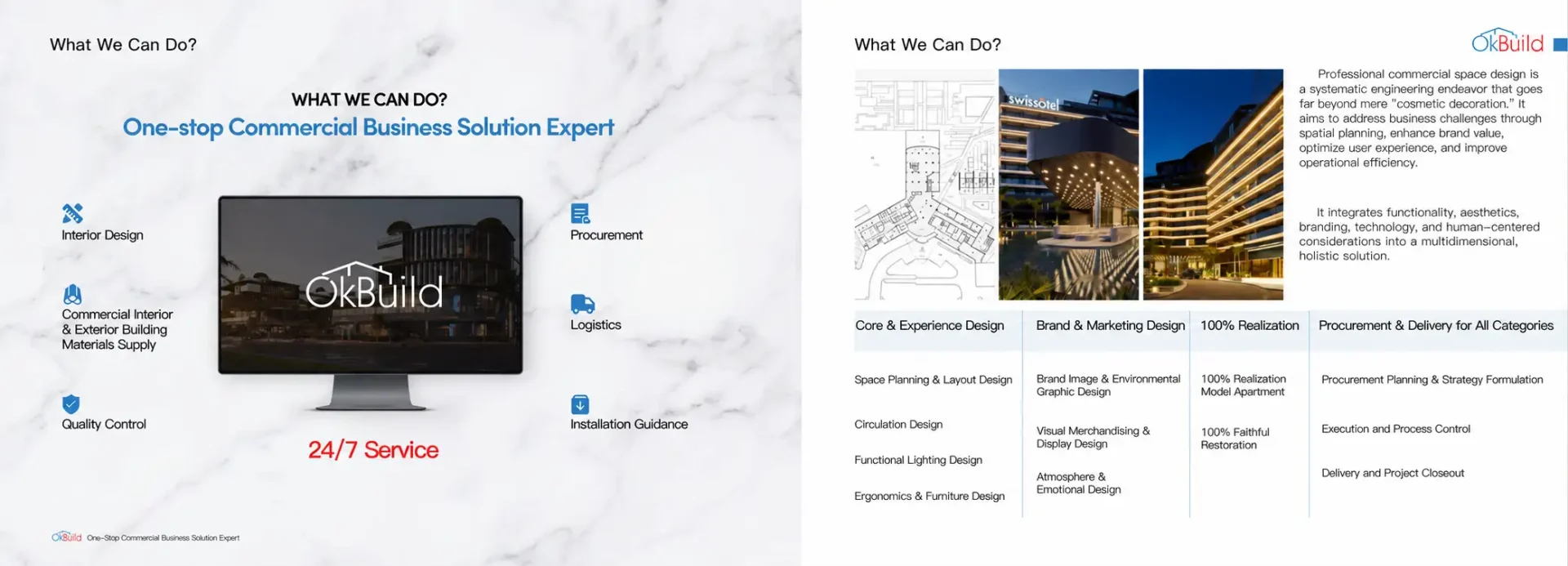
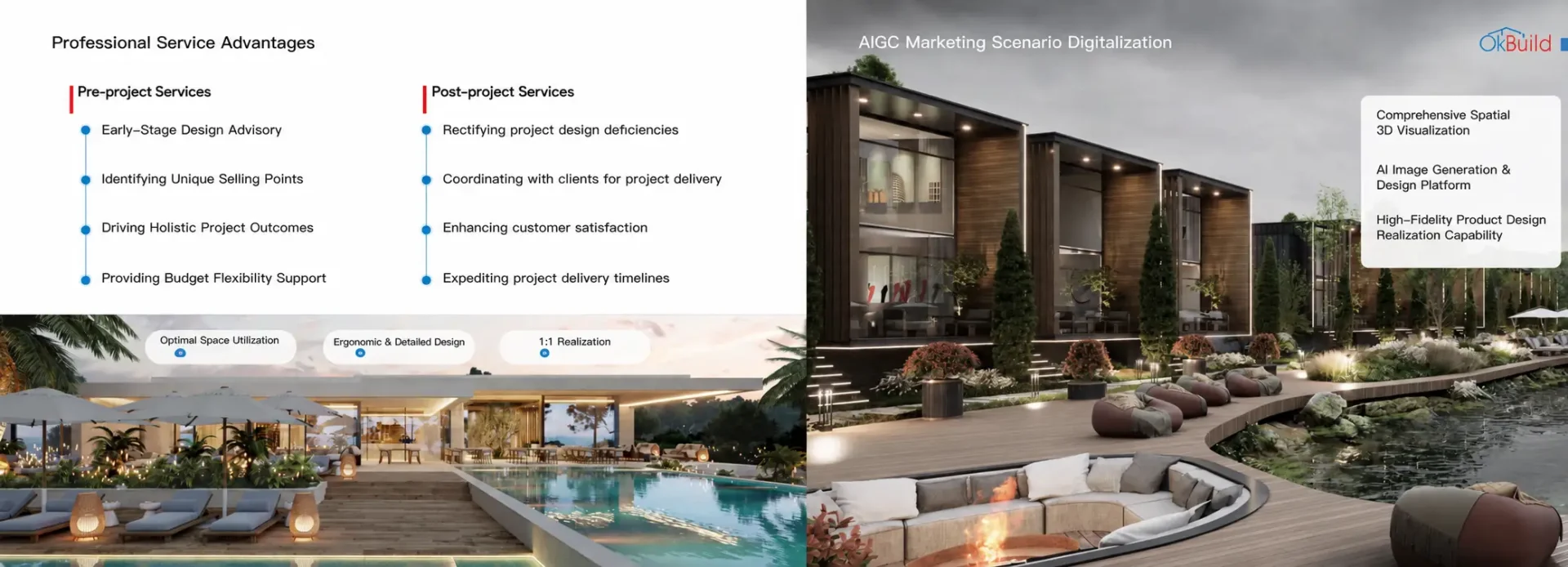
OKBuild provides custom kitchen cabinet solutions combined with whole-house customization and project supply capabilities.
Our services support:
- Custom kitchen cabinet manufacturing
- Residential interior projects
- Commercial development projects
- Whole-house customization solutions
From design coordination to production, OKBuild helps clients develop practical and visually consistent interior solutions.
Kitchen Cabinet Buying Checklist
Before confirming a kitchen cabinet project, buyers should review the following points:
Design and Planning
✔ Confirm kitchen layout and dimensions
✔ Check cabinet functions and storage requirements
✔ Review drawings and design details
Materials and Construction
✔ Confirm cabinet materials
✔ Understand door finishes
✔ Review cabinet structure and hardware specifications
Project Requirements
✔ Confirm delivery location
✔ Understand installation requirements
✔ Clarify production timeline
Supplier Selection
✔ Review manufacturing experience
✔ Check project capability
✔ Confirm communication and support process
A clear checklist helps ensure that the final kitchen matches both design expectations and practical requirements.
Conclusion: Understanding Kitchen Cabinet Costs Before Starting Your Project
So, how much do kitchen cabinets cost?
The answer depends on the complete project requirements, including:
- Cabinet materials
- Construction quality
- Design complexity
- Finishes
- Hardware
- Storage solutions
- Installation conditions
There is no single cabinet price that applies to every project because each kitchen has different goals and specifications.
For homeowners, designers, developers, and contractors, the best approach is to evaluate the complete value of the cabinet system rather than only comparing the lowest initial price.
A successful kitchen cabinet project should balance:
- Design
- Functionality
- Durability
- Budget
- Long-term usability
By working with an experienced custom kitchen cabinet manufacturer, buyers can achieve a solution that fits both their design vision and project requirements.
FAQ
How much do kitchen cabinets cost?
Kitchen cabinet costs vary depending on materials, construction, finishes, hardware, customization level, and project requirements. Each project should be evaluated based on its specific specifications.
Are custom kitchen cabinets more expensive than standard cabinets?
Generally, custom kitchen cabinets require a higher investment because they involve project-specific design, manufacturing, and customization.
However, custom cabinets can provide better space utilization, design flexibility, and long-term value.
What is the most important factor affecting kitchen cabinet cost?
The main factors are usually cabinet materials, construction quality, design complexity, finishes, and hardware selection.
Which material is best for kitchen cabinets?
There is no single material that is best for every project. The right choice depends on the required durability, appearance, budget, and design requirements.
How can I reduce kitchen cabinet costs?
Costs can be controlled by optimizing the layout, selecting suitable materials, and prioritizing features that provide the most value for daily use.
What information does a manufacturer need to provide an accurate cabinet quote?
Manufacturers usually need kitchen drawings, measurements, cabinet quantities, material preferences, finishes, hardware requirements, and project location.


