Window Screen Material: Types, Mesh & Selection Guide

- 2026/10/29
- By Colin Pun, OKBuild Project Manager
Table of Contents
ToggleThe right window screen material depends on more than whether the mesh is fiberglass or metal. Strand thickness, clear opening size, the screen frame and local conditions all affect the choice. A mesh that suits a quiet bedroom window may be a poor match for a retractable system, a pet-accessible opening or a location with very small biting insects.
For an ordinary insect-screening task, compare coated fiberglass and aluminum first. Add stainless steel or purpose-designed polyester products when the application calls for their particular characteristics. Then check the actual mesh specification and the window-system supplier’s approval rather than choosing by material name alone.
The useful order is task, window system, mesh construction, then sample and specification. It keeps a roll of attractive mesh from becoming an unsuitable finished screen.
Start with the Window and Screening Task
Identify what the screen needs to do. General insect exclusion, protection against very small insects, an unobtrusive outward view, pet-related wear and solar shading are different priorities. One product may address several of them, but the trade-offs need to be checked.
Also identify how the screen operates. A removable framed screen, a sliding panel, a hinged screen and a retractable screen place different demands on the mesh and its attachment. The mesh must work with the frame, tracks, seals, corners and retaining system.
If you are still choosing the window itself, coordinate the screen with the opening arrangement in the commercial window systems guide. A material selection cannot resolve a frame that obstructs a handle, a screen that cannot be removed for cleaning, or an opening that lacks space for the proposed mechanism.
Common Window Screen Materials at a Glance
| Material or product family | Why it may enter the shortlist | What to check before choosing |
|---|---|---|
| Coated fiberglass | Flexible woven mesh for many conventional insect-screen applications | Yarn diameter, coating, aperture, handling and frame compatibility |
| Aluminum | Metal insect-screen mesh available in different finishes and constructions | Wire size, finish, exposure suitability and the effect of dents or creases |
| Stainless steel | Fine-wire insect mesh or a more specialized metal-mesh application | Exact grade, wire diameter, aperture and complete system suitability |
| Coated polyester | Product families designed for uses such as increased resistance to pet-related wear or solar screening | The particular product’s purpose, thickness, openness and approved frame system |
This is a comparison of material families, not a performance ranking. Two meshes made from the same base material can have different strand sizes, openings, coatings and intended uses.
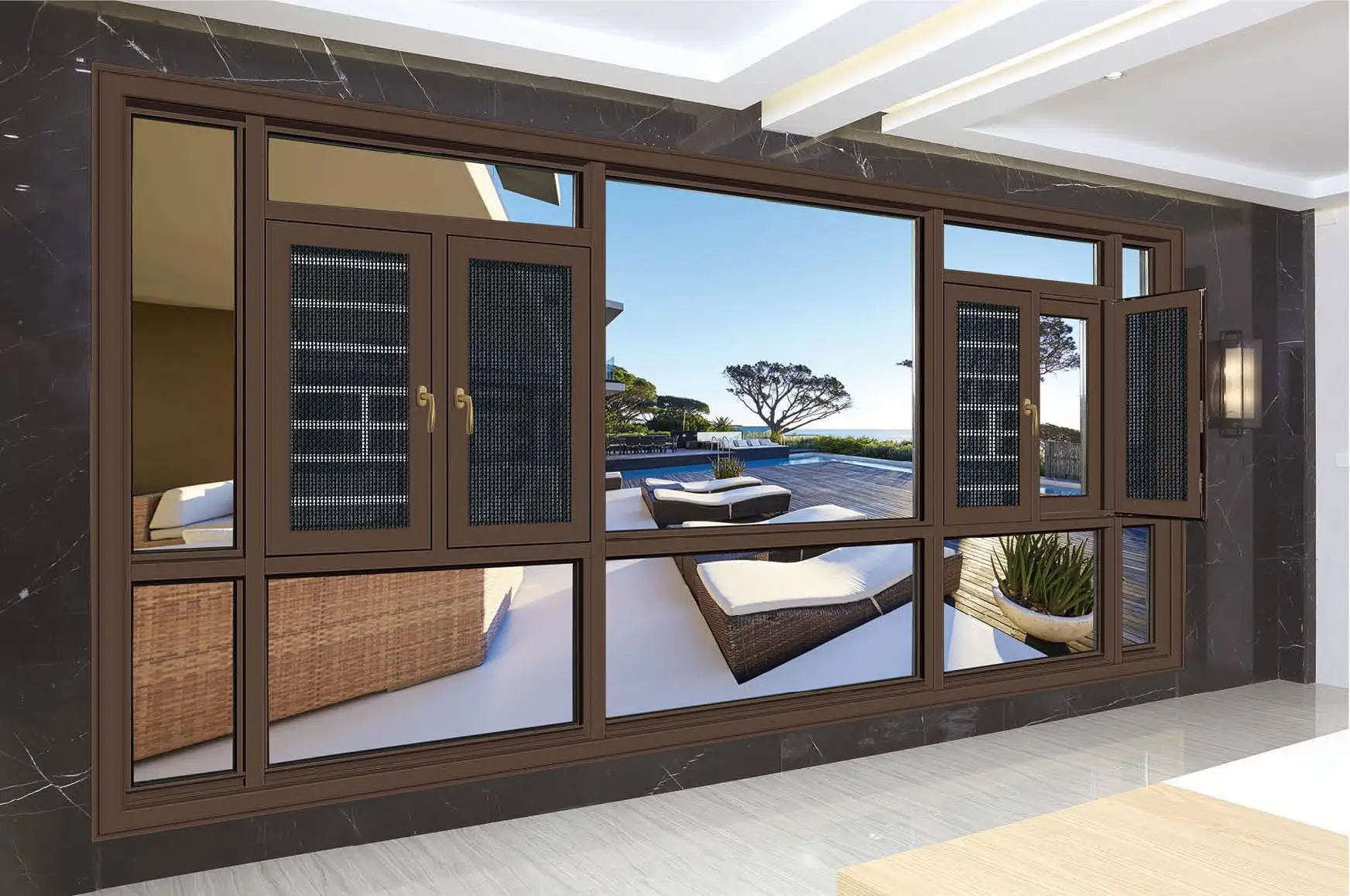
Fiberglass vs Aluminum Screen
Coated fiberglass window screen
Fiberglass insect screen commonly consists of glass yarn with a protective coating. It is flexible, and manufacturers offer both general-purpose and more specialized versions. The base fiber does not rust, but that does not make the complete screen assembly maintenance-free: the coating, frame, fixings and site exposure still need consideration.
Compare the yarn thickness and finished opening rather than assuming that every fiberglass mesh gives the same view. Products intended for improved visibility can use a different construction from conventional mesh. Products marketed for very small insects may use a tighter construction for a different purpose.
Check a sample in the intended frame. Ask how the mesh should be handled, cleaned and replaced, and whether its coating and intended use suit the exposure. A familiar material name is not a substitute for the selected product’s data sheet.
Aluminum window screen
Aluminum insect mesh offers a metal-wire alternative. Its appearance and viewing characteristics vary with the finish and wire construction, so compare samples rather than judging from a close-up product photograph alone.
One practical difference from flexible fiberglass is the way metal mesh can retain a dent or crease after handling. Consider where the screen will be touched, how it is removed, and whether replacement panels can be supplied if it is damaged.
Avoid treating aluminum as universally unsuitable near the coast or universally immune to deterioration. Ask the supplier to confirm the finish, exposure limitations and cleaning requirements for the actual product. Include the frame and attachment components in that discussion.
Which should you choose?
For a straightforward window opening, put the two candidate samples in comparable frames and compare the view, touch and handling. Then check their aperture, strand size and intended exposure.
If your main problem is small insects, the finer-screen specification matters more than a blanket fiberglass-versus-aluminum verdict. If the system retracts into a cassette, compatibility with that mechanism may determine the choice before either material’s general advantages become relevant.
Stainless Steel and Polyester Options
Stainless steel screen mesh
Stainless steel is a broad description, not a complete window-screen specification. A light insect mesh and a heavier mesh sold as part of a security system can have very different constructions and purposes.
Confirm the grade, wire diameter, mesh count, clear aperture and surface treatment where applicable. Also ask about the frame materials and fasteners that will be used with it. A corrosion claim should relate to the specified product, environment and maintenance conditions; the word “stainless” alone is not evidence that an installation will never corrode.
Do not assume that stronger-looking wire gives better airflow or a clearer view. Those characteristics depend on the actual geometry and the completed opening. Equally, stainless mesh by itself does not establish that the complete screen is a tested security or fall-prevention system.
Coated polyester and pet-resistant products
Coated polyester appears in several specialist screening families, including products designed to resist pet-related wear. That does not mean every polyester mesh is a pet screen, or that all pet screens have identical openness and handling requirements.
Some more robust products use thicker strands. Compare the effect on the view and clear openings, and confirm that the mesh can be retained correctly in the proposed frame. A heavier replacement mesh may require a different approved retaining detail rather than simply being interchangeable with the old fabric.
Pet resistance also needs a clear scope. Resistance to scratching or tearing is different from containing an animal against sustained pushing. Ask what the supplier supports for the complete assembly. An ordinary insect screen or pet-resistant mesh should not be relied on as a child-fall barrier.
Window Screen Mesh Size: Count, Aperture and Open Area
What do 18×16 and 20×20 mean?
For conventional woven insect screen, labels such as 18×16 and 20×20 describe mesh counts in two directions, conventionally expressed per linear inch. They are not the overall screen dimensions and do not state the clear hole width in millimeters. Confirm the supplier’s counting convention when comparing data sheets.
A two-number description is useful because a mesh can have rectangular rather than square openings. Check whether a quoted aperture figure describes clear width, width and height, or area. A screen’s overall width and height are separate ordering dimensions.
A higher count generally places more strands across a given distance. It does not, on its own, tell you the exact opening, visibility or ventilation performance.
Why strand diameter matters
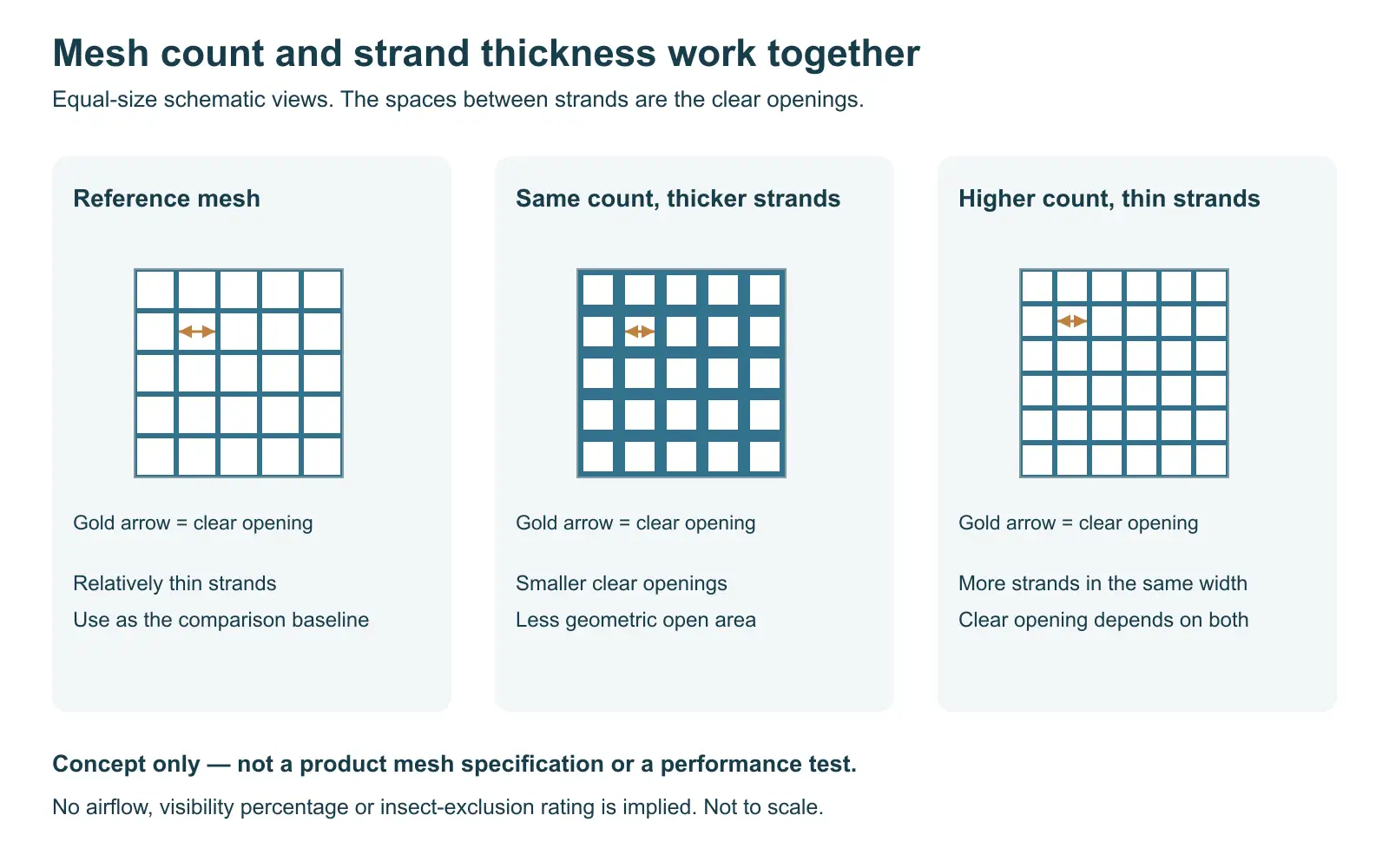
The opening is the clear space between adjacent yarns or wires. With the same count, thicker strands leave smaller openings. Thinner strands leave larger openings, all else being equal.
That is why a mesh count needs to be paired with strand diameter or, preferably, a stated finished aperture. For coated yarns, ask for the finished dimensions used in the supplier’s specification rather than relying only on a description of the underlying fiber.
Two products with different counts can even have similar opening dimensions if their strand thicknesses differ. Compare the actual construction instead of treating the larger count as automatically better.
Open area is not a ventilation rating
Open area describes how much of the mesh area is geometrically open. Strand size and spacing both affect it. It is useful when comparing constructions, but it is not the same as the airflow delivered through an installed window.
Actual airflow also depends on the opening size, screen arrangement, pressure conditions and other restrictions in the window system. A stated open-area percentage should not be presented as the same percentage of room ventilation or as a guaranteed airflow increase.
Visibility, Airflow and Small Insects
Compare the view at normal distance
A close-up photograph exaggerates the mesh relative to the view through it. Compare full samples from a normal standing or seated position, with a similar outdoor background and lighting.
Strand thickness, weave and color can all affect how noticeable a screen appears. A dark fine-strand mesh may look less intrusive in a particular setting, but color alone does not establish a universal visibility result. Look at the actual sample, including the frame that will surround it.
Choose no-see-um screening for a defined task
A no-see-um window screen is intended for a finer-insect screening task than a conventional general-purpose mesh. However, a product name or a 20×20 label is not a universal guarantee against every local insect.
Ask which insects the product is intended to exclude and request the actual aperture specification. Where this is important to a project, confirm the supplier’s relevant evidence and local application experience rather than selecting from count alone.
The perimeter matters too. Appropriate mesh can still leave an incomplete insect barrier if the screen has gaps at its tracks, corners or surrounding seals. Review the whole operating assembly, not just a cut swatch.
Keep solar screening as a separate requirement
Solar screening is designed around shading or solar-control objectives. Some products also provide insect screening, but a solar label does not make a product equivalent to a general-purpose insect mesh.
If shade is a priority, compare the product’s applicable solar and optical data as well as the view and airflow implications. Compare solar, UV or glare figures for the exact product and assembly being quoted.
Exposure, Cleaning and Window-System Compatibility
Coastal and demanding environments
For a coastal project, provide the supplier with the actual exposure conditions. A sheltered opening and one exposed to salt spray should not be treated as identical because they share a postcode.
Confirm the mesh grade or coating, frame finish, attachment materials and required care together. Ask about restrictions relevant to the site and how deposits should be removed. There is no single material-only answer that makes every screen suitable for every marine location.
Cleaning and replacement access
Plan how the screen will be reached, removed and refitted. This is particularly useful on upper-floor openings, large panels and windows with fixed furniture nearby. The ability to maintain the assembly should be established before choosing an attractive mesh sample.
Use the selected manufacturer’s cleaning instructions. Check whether cleaning tools or chemicals could damage the coating, distort the mesh or affect the surrounding frame. Also establish how replacement mesh, corners and other relevant parts can be obtained.
Frame and mechanism approval
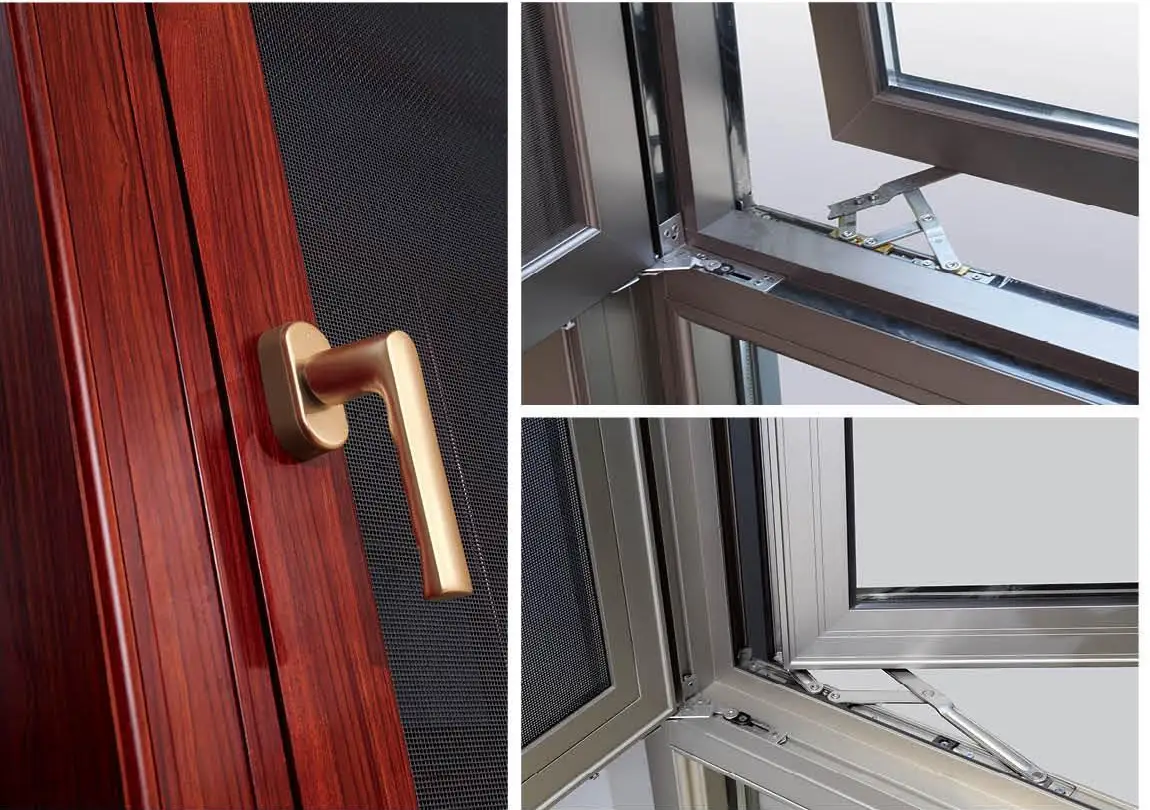
A mesh replacement must suit more than the visible opening. Thickness, flexibility, retention and the working clearances of tracks or cassettes can affect compatibility.
For retractable screens, confirm the approved fabric with the system manufacturer. For framed screens, confirm the complete retaining arrangement, including spline where used, rather than ordering from a generic thickness recommendation. Use the retaining detail specified for the selected system.
Where an opening needs a separate security, guarding or emergency-escape provision, identify that requirement independently. Ordinary insect screening should not be assumed to meet it, and the mesh selection should not obstruct the approved operation of the window.
What to Confirm Before Ordering
Prepare a short specification for each opening or repeated window type:
- Window type, location, operating direction and available space for the screen.
- Screening task: general insects, a defined small-insect problem, visibility, pet-related wear or solar control.
- Exact mesh product and material, including coating or metal grade where applicable.
- Mesh count, finished strand diameter, aperture and declared open area, with consistent units.
- Frame, tracks, seals, retention and any retractable-system approval.
- Site exposure, cleaning access and product care requirements.
- Finished screen dimensions, quantities and the supplier’s measurement convention.
- A representative sample, replacement-part arrangements and the agreed drawing revision.
For project purchasing, compare quotations using the same mesh and complete assembly scope. A roll of mesh, a framed insert and a fitted retractable screen are different supply items. A clear opening schedule helps the supplier quote what the project actually needs.
Frequently Asked Questions
What is the best window screen material?
There is no single best material for every opening. Start with the task and window system, then compare the actual mesh construction, exposure suitability, sample and maintenance requirements.
Is fiberglass or aluminum screen better?
Coated fiberglass is flexible; aluminum provides a metal-wire alternative with different handling characteristics. Compare actual products for aperture, view, finish and compatibility rather than assigning one material a universal advantage.
Does a higher mesh count mean better airflow?
No. Count and strand diameter together affect the clear openings and open area. Installed airflow also depends on the complete window and screen arrangement, so mesh count alone is insufficient.
Does 20×20 mesh keep out all tiny insects?
That label describes a mesh construction, not universal insect protection. Check the finished aperture, the product’s intended insect-exclusion scope and the fit around the entire screen perimeter.
Can pet screen or stainless mesh replace a safety barrier?
Do not assume so. A pet-resistant or stainless insect mesh does not establish the tested performance of the frame, attachments and whole assembly. Specify any required fall-prevention or security system separately.

Discuss Your Windows With OKBuild
For a project-specific discussion, contact OKBuild with your drawings, storage requirements and finish references. A clear brief gives the team a better basis for reviewing the layout, selecting suitable options and preparing a quotation.